Request a Quote
Share your product list, technical ratings, quantity and delivery destination.
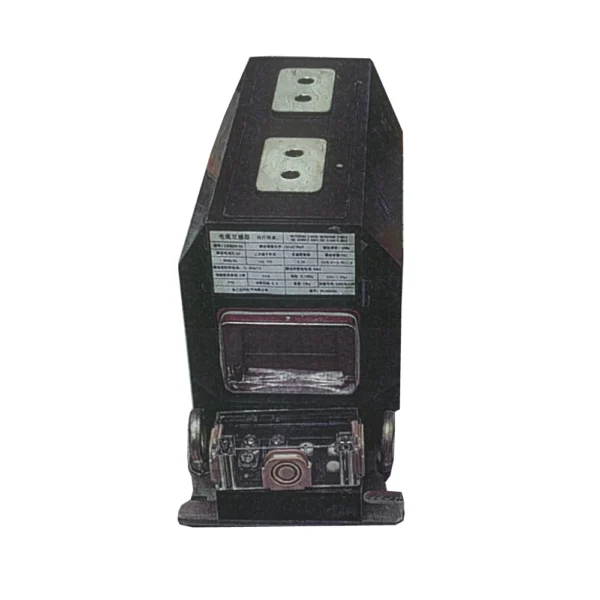
An indoor epoxy-resin cast current transformer for metering circuits. The inspected LZZBJ9-10 sample is rated 800/5 A with accuracy class 0.2S. Specify the required current ratio, secondary burden and mounting interfaces for your project.
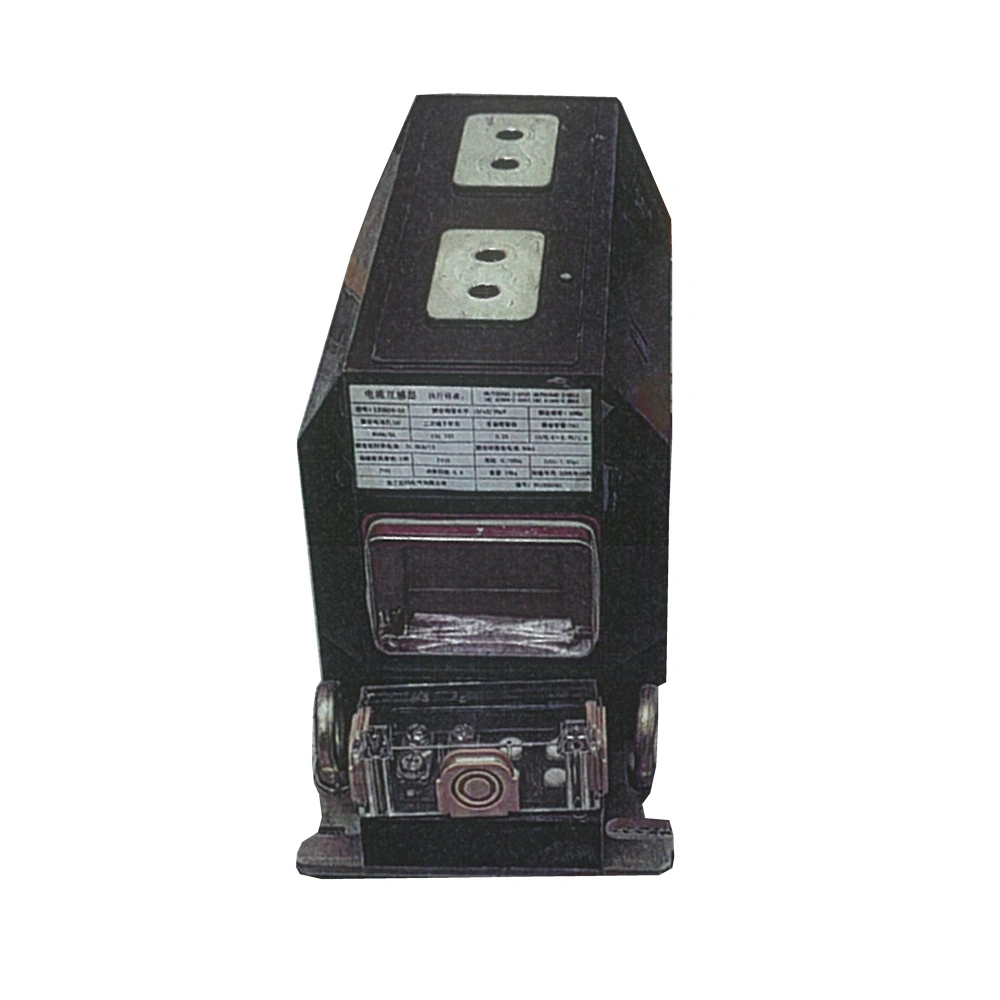
An indoor epoxy-resin cast current transformer for metering circuits. The inspected LZZBJ9-10 sample is rated 800/5 A with accuracy class 0.2S. Specify the required current ratio, secondary burden and mounting interfaces for your project.
LZZBJ9-10 is an indoor epoxy-resin cast current transformer for metering. The reference sample is rated 800/5 A with accuracy class 0.2S. Select the current ratio, accuracy and burden together, then check the primary connections, secondary terminals and mounting. Protection duty needs its own confirmed core and performance specification.
| Electrical parameter | Reference sample / requirement |
|---|---|
| Model | LZZBJ9-10 |
| Transformer type | Indoor current transformer |
| Reference ratio | 800/5 A |
| Reference accuracy class | 0.2S |
| Reference frequency | 50 Hz |
| Reference insulation level | 12/42/75 kV |
| Insulation construction | Epoxy-resin cast reference sample |
| Rated burden | Confirm VA, power factor and the accuracy conditions for the ordered configuration |
Reference sample data. Confirm the ordered ratio, accuracy class, burden and applicable verification records before selection.
Start with the primary current and meter input. Then confirm the accuracy conditions, total secondary burden and mechanical arrangement.
| Selection item | Reference / requirement | Confirm for your project |
|---|---|---|
| Current ratio | 800/5 A reference sample | Required primary current and meter secondary-current input |
| Metering accuracy | Class 0.2S reference sample | Required class, rated burden and applicable accuracy conditions |
| Secondary circuit | Burden confirmed for the order | Meter inputs, lead burden and other connected devices |
| Core and duty | Metering sample shown | Core arrangement and a separate verified specification if protection duty is required |
| Terminal arrangement | Use the selected-model drawing | Primary connections, secondary markings and panel interfaces |
The quotation and approved technical schedule define the supplied configuration. Alternative ratios or duties require confirmation.
Match the CT ratio and secondary-current rating to the meter input and measurement requirements.
Specify the required accuracy class together with rated burden, power factor and the connected secondary circuit.
A metering accuracy class alone does not establish protection suitability. Request a separate verified core and performance schedule when protection duty is required.
Match the delivered nameplate and terminal markings to the approved circuit diagram and model-specific instructions.
Use the model-specific installation instructions and approved wiring diagram. Installation and commissioning require qualified personnel.
Define the current-transformer duty and interfaces before requesting the project configuration.
| Configuration item | Purpose | Define for your project |
|---|---|---|
| Current ratio | Match the measured current to the meter input | Primary/secondary current, operating duty and quantity |
| Metering performance | Define the measurement requirement | Accuracy class, rated burden, power factor and connected devices |
| Core arrangement | Identify every required secondary duty | Metering cores and any separately specified protection duty |
| Panel integration | Fit the CT and its connections into the panel | Mounting drawing, primary connection, terminals and clearances |
| Verification scope | Match the offered unit to its documents | Exact model, ratio, class, burden and applicable records |
Final components and scope of supply are defined in the project quotation.
| Interface | Required information | Why it matters |
|---|---|---|
| Overall outline | Current LZZBJ9-10 drawing for the offered ratio | Check the available panel space and clearance envelope |
| Mounting base | Hole positions, centres and fixing requirements | Match the panel or support before fabrication |
| Primary connection | Terminal dimensions, orientation and connection details | Coordinate the primary conductor and installation access |
| Secondary terminals | Terminal markings and approved wiring diagram | Match the metering circuit and wiring access |
| Insulation clearance | Panel layout and the selected insulation arrangement | Verify clearances for the complete installation |
Request the drawing for the selected order configuration. Approve all mounting dimensions, terminals and clearances before installation.
Provide the system voltage, frequency, primary-current requirement, secondary-current input and metering scheme.
List the meters, connected devices and lead details needed to confirm the total burden.
Approve the outline, mounting base, primary connections and secondary-terminal access before panel fabrication.
Check the ordered ratio, class and burden against the delivered nameplate, available verification records and approved installation documents.
| Condition | Requirement / project input |
|---|---|
| Location | Indoor |
| Reference frequency | 50 Hz |
| Reference altitude | Below 1000 m on the inspected sample nameplate |
| Temperature and humidity | Provide site limits and any condensation risk |
| Installation environment | Confirm enclosure, ventilation, pollution and required insulation clearances |
Provide the actual temperature, humidity, altitude and installation environment for project-specific confirmation.
Match the primary current and secondary meter input, then confirm burden and the required accuracy conditions.
Check the current ratio, core duties, primary terminals, mounting centres and insulation clearances.
Review the connected meters, lead burden and accuracy requirement when the secondary circuit is revised.
For a proposed LZZBJ9-10 replacement, use the existing nameplate and circuit information to define the order.
Provide the required current ratio, accuracy class, burden and power factor.
List meter inputs, connected devices and lead details; identify any separate protection requirement.
Confirm primary connections, terminal markings, fixing centres and required clearances.
Production follows the approved drawings, the applicable product standards and the agreed inspection plan.
We can adjust the configuration for your operating environment and provide neutral packaging or your logo. Send the site conditions and branding requirements with your enquiry.
Incoming components, production work and finished units are checked against the requirements for the ordered configuration.
Incoming materials and components are checked against the approved specifications before production.
Assemblies and semi-finished components are inspected at the relevant production stages.
Finished equipment and release records are checked against the approved order requirements.
Factory acceptance testing (FAT). Every unit undergoes FAT before packing. Test items and acceptance criteria follow the product and approved configuration. FAT reports and packing inspection photos accompany the shipment. Factory attendance, video witnessing or independent inspection can be arranged with an agreed scope and schedule.
Explore related guides for product selection, specifications and project planning.
Check power paths, protection, controls and equipment interfaces.
800/5 A is the inspected reference sample ratio. Send the required primary and secondary currents so availability and the matching technical schedule can be confirmed.
The reference class must be considered with the applicable burden, power factor and accuracy conditions. Request the complete schedule for the selected configuration.
Protection duty requires its own confirmed core, class and performance requirements. The metering sample data alone does not establish suitability for a protection circuit.
A shared model designation is not enough to confirm interchangeability. Compare the outline, mounting centres, terminal arrangement, primary connection and insulation clearances.
Provide quantity, system voltage and frequency, primary/secondary current ratio, accuracy class, burden and power factor, core duties, mounting drawing and terminal requirements.